The Calm Reset Bundle Workbook is Now Available for the Launch Price !!

10 Ways to Take Care of Yourself When You Feel Drained
Discover gentle ways to take care of yourself when feeling emotionally drained, mentally exhausted, or overwhelmed through realistic self-care, rest, mindfulness, and supportive daily wellness practices.
MIND YOUR MINDPERSONAL GROWTH
Mind Your Co. Editorial Team
3/30/2026
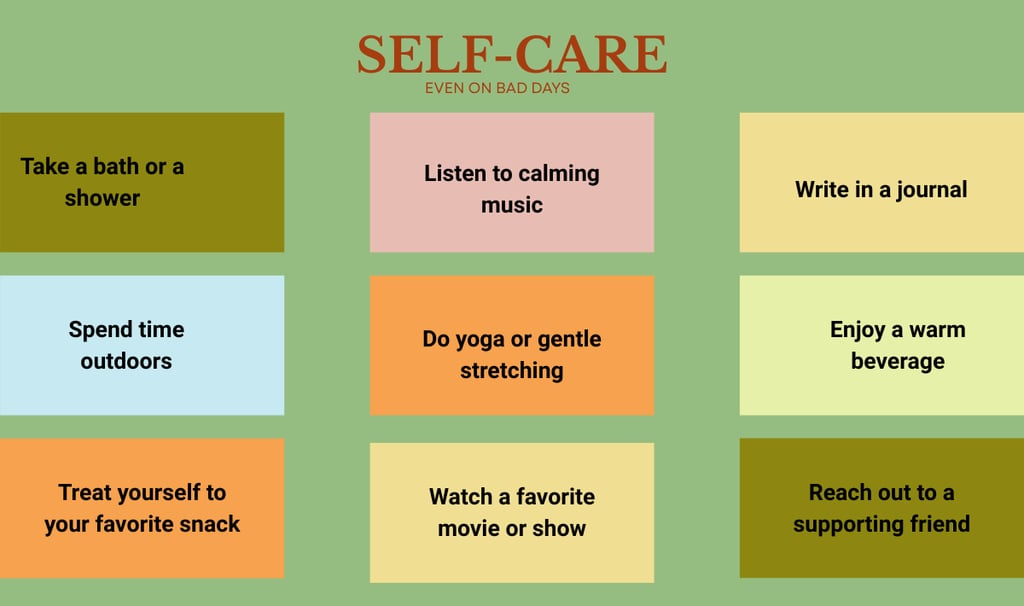
Feeling drained doesn’t always mean something is wrong.
It often means you’ve been giving energy, attention, and care without enough restoration.
This is a quick-read guide for moments when you don’t have the capacity for a long article, a big plan, or a full reset. These are gentle, realistic ways to care for yourself when your energy is low.
You don’t need to do all ten, even one is enough.
1. Lower the Bar for Today
When you’re drained, productivity standards need adjusting.
Instead of asking:
“What should I get done?”
Try: “What’s enough for today?”
Doing less is sometimes the most caring choice.
2. Drink Water Before Making Decisions
Dehydration can intensify fatigue, brain fog, and irritability.
Before deciding anything:
Drink a glass of water
Take one slow breath
Small physical care can shift emotional overwhelm.
3. Pause the Mental To-Do List
If your mind keeps running, write everything down without organizing it.
You’re not planning, you're unloading.
This is a perfect moment to use a Mind Your Mind™ journaling page or your Mini Self-Care Checklist.
4. Step Outside (Even Briefly)
Fresh air and natural light help regulate your nervous system.
You don’t need a walk.
Stand by a window
Step outside for 2 minutes
Notice the temperature, the light, the sounds
Your body responds even to small exposure.
5. Let Something Be “Good Enough”
Drain often comes from over-effort.
Ask yourself:
“What can I stop perfecting today?”
Good enough is still good.
6. Choose One Comforting Thing
Care doesn’t need to be productive.
Comfort can look like:
A warm drink
A blanket
Calm music
Sitting quietly
Comfort tells your nervous system it’s safe to soften.
7. Cancel One Non-Essential Thing
Being drained is a valid reason to say no.
You don’t owe an explanation for protecting your energy.
Your Mini Self-Care Checklist (Fillable PDF) is designed for exactly these low-capacity days.
8. Stop Consuming for a Moment
When energy is low, input matters.
Try:
Pausing social media
Turning off background noise
Sitting without stimulation
Less input = less nervous system load.
9. Be Neutral Instead of Positive
You don’t have to be optimistic.
Instead of:
“Everything will be fine.”
Try:
“This is hard, and I can take it one step at a time.”
Neutral self-talk is often more supportive than forced positivity.
10. Rest Without Earning It
Rest is not a reward for productivity, it's maintenance
Even 5 quiet minutes counts.
Many readers use the 7-Day Mindfulness Journal (Free Download) as a gentle anchor during drained seasons.
For a broader foundation, visit our Mental Wellness & Gentle Self-Care Guide. You can also explore our Mind Your Mind: Stress, Overwhelm & Mental Clarity category page for more support with stress, overwhelm, racing thoughts, grounding, and mental clarity.
A Gentle Reminder
Feeling drained doesn’t mean you’re failing at life.
It usually means you’ve been strong for too long without enough support.
You don’t need a full reset, you just need care that matches your capacity.
If this topic connects to emotional overload, read Why Do I Feel Overwhelmed So Easily? for a deeper look at why small things can feel heavy when your mind is already full.
Written by Mind Your Co. Editorial Team
Reviewed for clarity, compassion, and self-care alignment. Mind Your Co. creates guided journals, reflection tools, and gentle wellness resources to support everyday mental wellness.
Gentle Note
Mind Your Co.™ resources are created to support reflection, mindfulness, and personal growth. They are not a replacement for professional mental health care.
Gentle Next Steps
If you recognize yourself in this, you’re welcome to explore these supports when they feel helpful:
Mind Your Mind™ Journal — reflective space for anxious thoughts
7-Day Mindfulness Journal (Free Download) — daily grounding practices
Mini Self-Care Checklist (Fillable PDF) — realistic support for busy days
Reflection Prompt Card (Free Download) — simple emotional check-ins
Calm Starter Kit — a soft bundle for mental and emotional balance
Join the Mind Your Co. newsletter for occasional, calm-first reflections
You don’t have to stop functioning. You just don't have to function under constant pressure anymore.
(New ?👣)
Start Here
© 2026. All rights reserved.
Explore
Support
Stay Connected
Join the Mind Your Co. community and receive mindful inspiration, self-care tips, exclusive freebies, and early access to new journal drops delivered with calm and intention.
Newsletter
Mind Your Co.™ offers tools for self-reflection, mindfulness, and personal growth. Our content is not a substitute for professional mental health care.