The Calm Reset Bundle Workbook is Now Available for the Launch Price !!

Mind Your Healing
Emotional Healing and Self-Compassion
Gentle support for emotional heaviness, self-reflection, and becoming softer with yourself
Healing is not always loud, dramatic, or easy to explain. Sometimes healing looks like resting after a difficult season. Sometimes it looks like noticing an old pattern, setting a boundary, writing one honest sentence, or choosing not to criticize yourself the way you used to.
Mind Your Healing is the Mind Your Co. category dedicated to emotional healing, self-compassion, stress recovery, overwhelm, grounding, emotional regulation, anxiety-adjacent self-care, and journaling support.
This page is for the reader who may feel emotionally tired, mentally full, or quietly trying to become more patient with themselves. It is not about rushing growth. It is about creating space to feel, reflect, recover, and move forward with care.
For a complete starting point, visit our Mental Wellness & Gentle Self-Care Guide.
Understanding Emotional Healing
Emotional healing is the process of becoming more aware of what you feel, how past experiences may still affect you, and what kind of support you need to move forward in a healthier way.
It does not mean you forget what happened. It does not mean you never feel hurt again. It means you begin to relate to yourself with more honesty, compassion, and steadiness.
Emotional healing may include:
Naming difficult feelings
Recognizing emotional triggers
Learning to pause before reacting
Practicing self-compassion
Creating healthier boundaries
Asking for support
Resting without guilt
Using journaling to process thoughts
Finding grounding practices that feel realistic
The CDC notes that emotional well-being includes identifying and managing difficult emotions, coping with stress in healthy ways, working through problems, and asking for support when stress, sadness, or anxiety interferes with everyday life.
Stress, Overwhelm, and Emotional Recovery
Stress and overwhelm often show up before someone realizes they need healing. You may feel irritated, withdrawn, tired, scattered, or emotionally heavy. You may keep pushing forward because everything still “looks fine” from the outside.
But healing often begins when you stop dismissing your own signals.
Stress can affect both the mind and body. NIMH explains that stress may show up through worry, tension, headaches, body pain, sleep problems, and other physical or emotional signs.
Mind Your Healing content helps readers slow down and ask:
What have I been carrying for too long?
What emotion have I been avoiding?
What does my body seem to be asking for?
What would support look like today?
Where do I need more gentleness?
Recommended guide:
What Healing Really Looks Like
If you are trying to understand your emotional recovery, start with our guide on what emotional healing really looks like over time.
Racing Thoughts and Emotional Loops
Healing can be difficult when your mind keeps returning to the same thought, memory, worry, or emotional question.
Racing thoughts are not always random. Sometimes they are your mind’s attempt to process something unresolved. The goal is not to shame the thought or force it away. The goal is to create a safe place for it to land.
Try this simple journaling practice:
Write the thought that keeps repeating.
Ask, “What emotion is underneath this?”
Write one sentence beginning with: “I may need…”
Choose one calming action before returning to the topic.
Recommended guide:
3 Ways to Calm Your Racing Mind
If your thoughts keep circling the same worry, these simple ways to calm racing thoughts can help you slow the loop and return to the present moment.
Emotional Regulation and Grounding
Emotional regulation does not mean pretending you are fine. It means learning how to notice what you feel without letting the feeling completely control your next action.
Grounding helps because it brings you back to the present moment. When healing feels heavy, grounding gives your mind and body a small point of safety.
Gentle grounding practices may include:
Placing your feet on the floor
Taking three slow breaths
Holding a warm drink
Naming five things you can see
Writing one sentence about what you feel
Listening to calming music
Stepping outside for fresh air
Touching a soft blanket, pillow, or journal
Meditation and mindfulness practices are often used for stress support and present-moment awareness, although the evidence and safety considerations vary by person and condition. NCCIH
Recommended guide:
5 Ways to Feel Grounded When Everything Feels Heavy
On emotionally heavy days, these gentle grounding practices for emotionally heavy days can help you return to yourself one small step at a time.
Anxiety-Adjacent Self-Care
Some readers may arrive here because they feel worried, tense, unsettled, or emotionally on edge. Mind Your Co. does not diagnose anxiety, and this page is not a clinical guide. But gentle self-care can still support awareness, calm, and reflection.
Anxiety disorders are medical conditions that may need professional support. NIMH provides education on anxiety symptoms, risk factors, and treatment options, which is why Mind Your Co. content stays supportive rather than diagnostic.
Anxiety-adjacent self-care may include:
Reducing overstimulation
Writing thoughts down before bed
Creating a simple morning or evening routine
Using grounding before decision-making
Taking breaks from screens
Asking for support
Speaking to a professional when symptoms interfere with daily life
A helpful reminder: Self-care can support your healing, but it does not have to replace the care you may need from a licensed professional.
Journaling Support for Healing
Journaling can help make emotions feel less tangled. You do not need to write a full page. Sometimes one honest sentence is enough.
Try these healing-focused prompts:
“One feeling I have been carrying is…”
“Something I need to forgive myself for is…”
“A boundary I may need is…”
“One thing I wish I could say gently is…”
“Today, healing looks like…”
“One small way I can be softer with myself is…”
Journaling is especially powerful for Mind Your Healing because it gives the reader a private space to process emotions without needing to perform, explain, or rush.
Explore our guided wellness journals for emotional reflection, self-compassion prompts, daily check-ins, and gentle writing spaces designed to support your healing journey.
Recommended Articles
Start with these:
Start Here: Featured Mind Your Healing Guides
If you are new to this category, begin with one of these foundational guides.
What Healing Really Looks Like
A gentle reflection on why healing is not always linear and how emotional growth can happen quietly over time.
Read this if: you feel discouraged because your healing does not look perfect.
Small Daily Practices That Support Emotional Healing
Simple practices to help you care for your emotions without adding more pressure to your day.
Read this if: you want realistic healing habits that feel doable.
Why Self-Criticism Feels Productive But Isn’t
A supportive guide to understanding why harsh self-talk can feel motivating but often leaves you emotionally drained.
Read this if: you are learning how to become kinder to yourself.
Feature Guides


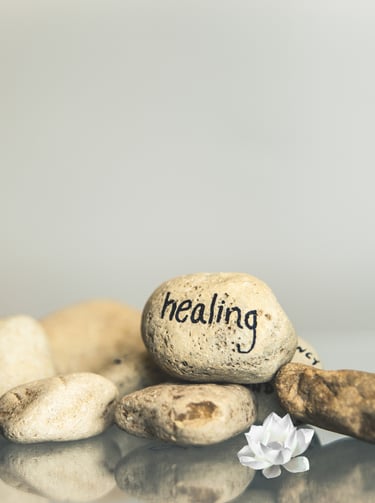



How to Start Emotional Healing
Mind Your Healing > Guide
Mind Your Healing > Guide
Mind Your Healing > Guide
Healing in Small Steps That No One Sees
How Journaling Supports Your Mental Wellness
Full Guide
Recommended Free Tools
Start with one gentle resource.
Download a free Mind Your Co. healing tool to begin with one small, supportive step today.
Recommended Products
For readers who want more guided support, you’re welcome to explore these supports::
Shop Mind Your Co. tools created for emotional reflection, healing, self-compassion, journaling, and gentle personal growth.
For a complete starting point, visit our Mental Wellness & Gentle Self-Care Guide.
A Gentle Disclaimer
Mind Your Co.™ creates tools for self-reflection, mindfulness, journaling, and personal growth. This page is for educational and supportive purposes only. It is not medical advice, mental health treatment, or a diagnosis. If you feel unsafe, overwhelmed, or in crisis, please contact a licensed professional, emergency service, or local crisis support provider.
Sources & Further Reading
Subscribe to our newsletter


Enjoy exclusive special deals available only to our subscribers.
(New ?👣)
Start Here
© 2026. All rights reserved.
Explore
Support
Stay Connected
Join the Mind Your Co. community and receive mindful inspiration, self-care tips, exclusive freebies, and early access to new journal drops delivered with calm and intention.
Newsletter
Mind Your Co.™ offers tools for self-reflection, mindfulness, and personal growth. Our content is not a substitute for professional mental health care.