The Calm Reset Bundle Workbook is Now Available for the Launch Price !!

Why Self-Criticism Feels Productive
Learn why self-criticism can feel productive even when it quietly increases stress, anxiety, and emotional exhaustion. This gentle mental wellness article explores the psychology behind harsh self-talk, how it affects your nervous system.
MIND YOUR MIND
Mind Your Editorial Team
4/27/2026

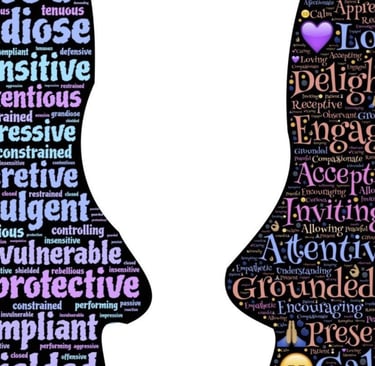
“Why does being hard on myself feel like it’s helping?”
You tell yourself you need to better, you replay mistakes. You push yourself harder just to avoid falling short again.
Part of you believes this is discipline, that being critical keeps you sharp, responsible and improving.
But another part of you feels tired, heavy, never quite enough. If self-criticism feels like a tool you rely on, even though it drains you, you’re not alone. Many people learn to equate harsh self-talk with growth.
This article explores why self-criticism feels productive, what it’s actually doing beneath the surface, and how to shift toward a form of motivation that supports you instead of wearing you down.
When Pressure Feels Like Progress
Self-criticism doesn’t always sound harsh at first, it can sound like:
“I Should be further ahead by now.”
“That wasn’t good enough.”
“I can’t afford to mess this up.”
“Other people are doing better.”
These thoughts often come from a place wanting to improve, not from wanting to harm yourself. That’s why they’re so easy to trust.
You might notice:
Constant mental evaluation of your actions
Difficulty feeling satisfied with your efforts
Motivation driven by fear of failure
Guilt when you slow down
A belief that easing up means losing progress
From the outside, it can look like discipline, inside, it often feels like pressure that never turns off.
Why Self-Criticism Feels Like It Works
It creates short-term motivation
Self-criticism can push you into action quickly.
When your mind says:
“You’re not doing enough”
You respond by doing more.
That immediate response can make it feel effective, like it’s helping you stay on track.
It mimics control
Being critical can feel like you’re ahead of mistakes.
“If I catch my flaws first, I won’t fall behind”
This creates a false sense of control, even if it increases anxiety.
It’s often learned early
Many people develop self-critical patterns from:
High expectations growing up
Environments where performance was emphasized
Internalizing external criticism
Over time. This voice becomes familiar, even comforting in a strange way.
It’s reinforced by results
If you’re achieved things while being self-critical, your brain links the two:
“This worked before, so I need to keep doing it”
But correlation isn’t the same causation. You succeeded despite the pressure, not because of it.
It activates stress, not sustainable growth
Self-criticism tiggers the brain’s threat response:
Increase cortisol
Heightened alertness
Fear-based motivation
The American Psychological Association explains how chronic self-criticism and stress may drive short bursts of productivity, but it’s not sustainable.
Shifting from Pressure to Support
You don’t need to remove accountability, you need to remove harshness.
1. Notice your internal tone
Before changing your thoughts, become aware of them.
Ask:
Would I speak to someone else this way?
What tone am I using with myself?
Awareness is the first shift.
The Reflection Prompt Card (Free Download) helps you gently notice your inner dialogue.
2. Separate effort from identity
Instead of:
“I’m not good enough”
Try:
“That didn’t go how I wanted and I can learn from it.”
This keeps growth without attaching it to your worth.
3. Replace pressure with clarity
Self-criticism says:
“Do better.”
Clarity says:
“What specifically can I adjust?”
Clarity supports improvement, pressure creates overwhwlm.
4. Practice neutral self-talk first
You don’t have to jump to positivity.
Start with neutral:
“That was difficult.”
“I’m learning.”
Neutral language reduces resistance.
5. Allow rest without justification
If rest always needs to be earned, your nervous system never fully relaxes.
Try:
“I’m allowed to pause, even if everything isn’t finished.”
The Mini Self-Care Checklist (Fillable PDF) supports low-pressure rest moments.
6. Redefine what motivates you
Ask:
What helps me stay consistent, fear or support?
Sustainable motivation comes from:
clarity
purpose
self-trust
Not constant pressure.
7. Interrupt the loop with writing
When thoughts start repeating, write them down, seeing them externally often softens their intensity.
Many readers use the Mind Your Mind™ Journal to release self-critical loops.
8. Practice “good enough” completion
Instead of aiming for perfect, aim for:
finished
complete
sufficient
This reduces mental strain and builds confidence.
9. Offer yourself the same compassion you give others
Notice how you respond when someone else struggles:
understanding
patience
encouragement
You deserve the same.
10. Build a new internal voice slowly
Self-compassion doesn’t replace self-criticism overnight.
It’s practiced.
Repeated.
Learned.
The Speak Kindly to Your Mind™ Affirmation Deck helps build a gentler internal voice over time.
For a broader foundation, visit our Mental Wellness & Gentle Self-Care Guide. You can also explore our Mind Your Mind: Stress, Overwhelm & Mental Clarity category page for more support with stress, overwhelm, racing thoughts, grounding, and mental clarity.
You Don’t Need to Be Hard on Yourself to Grow
You may have learned that being critical keeps you improving, but growth doesn't require harshness.
You can:
care about your progress
strive for improvement
hold yourself accountable
…without constantly tearing yourself down.
You’re not lazy for needing gentleness.
You’re not falling behind for choosing support.
You’re creating a foundation that can actually last.
If this topic connects to emotional overload, read Why Do I Feel Overwhelmed So Easily? for a deeper look at why small things can feel heavy when your mind is already full.
Source & Further Reading
Written by Mind Your Co. Editorial Team
Reviewed for clarity, compassion, and self-care alignment. Mind Your Co. creates guided journals, reflection tools, and gentle wellness resources to support everyday mental wellness.
Gentle Disclaimer
Mind Your Co.™ creates tools for self-reflection, mindfulness, journaling, and personal growth. This article is for educational and supportive purposes only. It is not medical advice, mental health treatment, or a diagnosis. If you feel unsafe, overwhelmed, in crisis, or concerned about your mental health, please contact a licensed professional, healthcare provider, emergency service, or local crisis support provider.
Gentle Next Steps
If self-criticism has been part of your inner dialogue, you’re welcome to explore these supports:
Mind Your Mind™ Journal — space to reframe your thoughts
7-Day Mindfulness Journal (Free Download) — daily grounding practices
Mini Self-Care Checklist (Fillable PDF) — realistic support for pressure-filled days
Reflection Prompt Card (Free Download) — gentle awareness exercises
Speak Kindly to Your Mind™ Affirmation Deck — compassionate self-talk reminders
Join the Mind Your Co. newsletter for occasional, calm-first reflections
You don’t have to motivate yourself through pressure anymore, you can learn to move forward with support and still grow.
(New ?👣)
Start Here
© 2026. All rights reserved.
Explore
Support
Stay Connected
Join the Mind Your Co. community and receive mindful inspiration, self-care tips, exclusive freebies, and early access to new journal drops delivered with calm and intention.
Newsletter
Mind Your Co.™ offers tools for self-reflection, mindfulness, and personal growth. Our content is not a substitute for professional mental health care.